How Smoking and Tobacco Use Can Affect Your Teeth Whitening Treatment
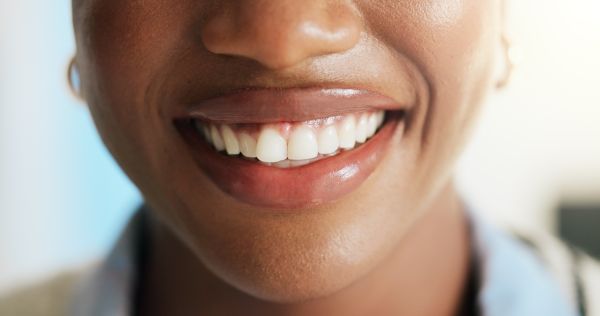
It is no secret that professional teeth whitening can achieve a significantly brighter smile. Still, certain lifestyle choices, such as tobacco use, often pose significant obstacles to maintaining those results over time. Therefore, if anyone wants a brighter smile, they must commit to proper care. This starts with an understanding of how these habits interfere with the chemical process that brightens teeth.
The chemical battle against tar and nicotine
The combination of nicotine and tar in tobacco products creates a persistent film that clings to the surface of the teeth. While nicotine remains colorless until it encounters oxygen, it quickly turns into a yellowish hue and settles into the tooth structure. Tar, another component, is naturally dark and heavy, resulting in deep brown discoloration that becomes more difficult to lift over time. Professional teeth-whitening procedures break down these carbon bonds, yet the results remain vulnerable to new layers of smoke and residue. Persistent use often leads to a frustrating tug-of-war where new stains appear faster than the treatment can remove them.
Open pores and post-treatment sensitivity
During a typical session, the whitening agents temporarily open the pores of the enamel to reach deeper discolorations. This state of increased permeability makes the teeth much more absorbent for 24 to 48 hours after the procedure. If a patient continues to use tobacco in any form during this critical window, the enamel soaks up the pigments even more aggressively than usual. This counterproductive interaction often results in a smile that looks duller or even blotchier much sooner than expected. Protecting the teeth-whitening investment involves avoiding staining agents while the enamel remains in this sensitive, open state.
Impact on overall oral health and longevity
Tobacco use does more than just darken the color of the smile. It also impacts the overall health of the gums and soft tissues. Tobacco and nicotine are known to reduce blood flow in the body. Reduced blood flow to the gums, specifically, makes it harder for the mouth to recover from the mild sensitivity that sometimes accompanies cosmetic treatments.
Further, the chemicals in tobacco often cause the saliva to thicken or lead to dry mouth, which reduces the natural rinsing effect that helps keep the teeth clean. Teeth whitening results look best when the surrounding tissues are pink and healthy, rather than inflamed or receded. That said, regular teeth whitening touch-ups may become necessary more often for those who continue to use tobacco products.
Call us for more information
Achieving a radiant smile is a worthwhile goal that requires a balance of professional care and mindful daily habits. Tobacco use acts as a constant force against the brightening process, making it much harder for the enamel to retain its new, lighter shade. Prioritizing oral health by reducing or eliminating tobacco use leads to a much more predictable and lasting outcome for the patient. If you have more questions about caring for your teeth whitening results or the effects of smoking and tobacco use on your overall oral health, contact our office for more information.
Request an appointment here: https://toothandnailatlanta.com or call Northwest Dental Care at (404) 779-1121 for an appointment in our Atlanta office.
Check out what others are saying about our dental services on Yelp: Teeth Whitening in Atlanta, GA.
Related Posts
A dental implant is a long-term oral health option for replacing at least one missing tooth. Since it requires that a screw or post be inserted into the jawbone, many people are hesitant to commit to the process when there are alternative options like dentures. However, dental implants offer numerous benefits that dentures do not,…
It can take a while before a dental implant settles in the mouth. But the months of waiting for the osseointegration to complete will be worthwhile. These restorations can give you many benefits. Knowing the advantages of a dental implant can motivate you to consult your dentist about it.Tooth loss impairs the first step of…
Using dental implants to replace teeth can offer clear advantages, such as enhanced stability and longevity, that other tooth replacement options cannot match. For the right candidate, they offer tooth replacements that look, feel, and function like natural teeth. However, there are important things to consider before pursuing this option.A dental implant is a screw-like…
An emergency dentist can provide urgent care when an accident causes a tooth to loosen, shift, or come completely out of its socket. A dislodged tooth needs prompt attention because prompt treatment may improve the chance of saving the natural tooth and limit the impact on the gums, jawbone, nearby teeth, and nerves. Our dentist,…